Everything you need to know and more
Explore expert insights on software development, mobile apps, AI integration, and digital transformation. Get practical tips and strategies to build better products.
Everything you need to know and more
Explore expert insights on software development, mobile apps, AI integration, and digital transformation. Get practical tips and strategies to build better products.
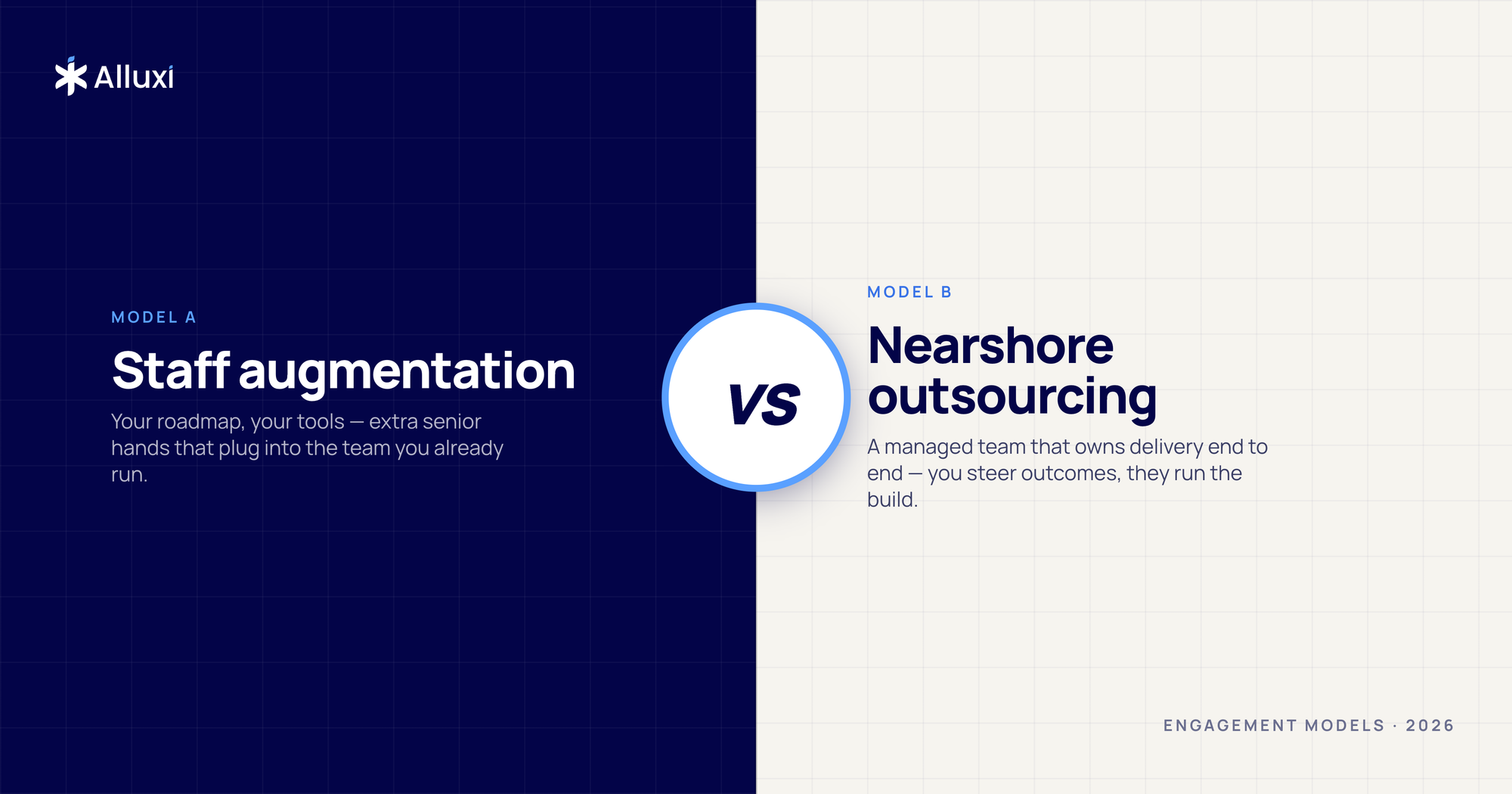
Staff Augmentation vs. Nearshore Outsourcing: Which Model Actually Fits Your Team
Staff augmentation rents you engineers; outsourcing rents you outcomes. The right choice depends on one question — who owns technical direction. A practical comparison with costs and decision criteria.
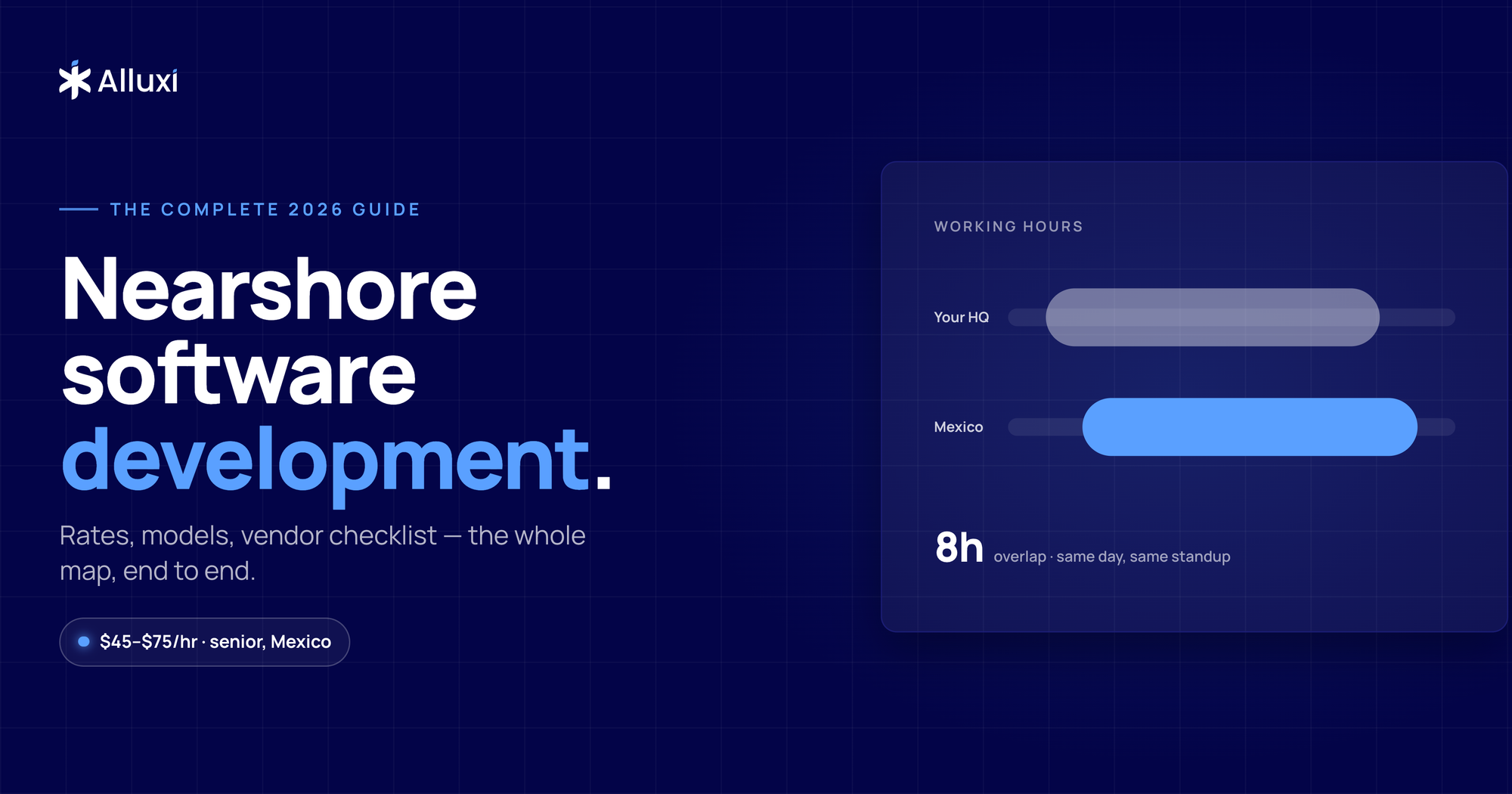
Nearshore Software Development: The Complete 2026 Guide
What nearshore software development is, how it compares to offshore and onshore, what it costs in 2026, and how to choose a nearshore software development company without getting burned.
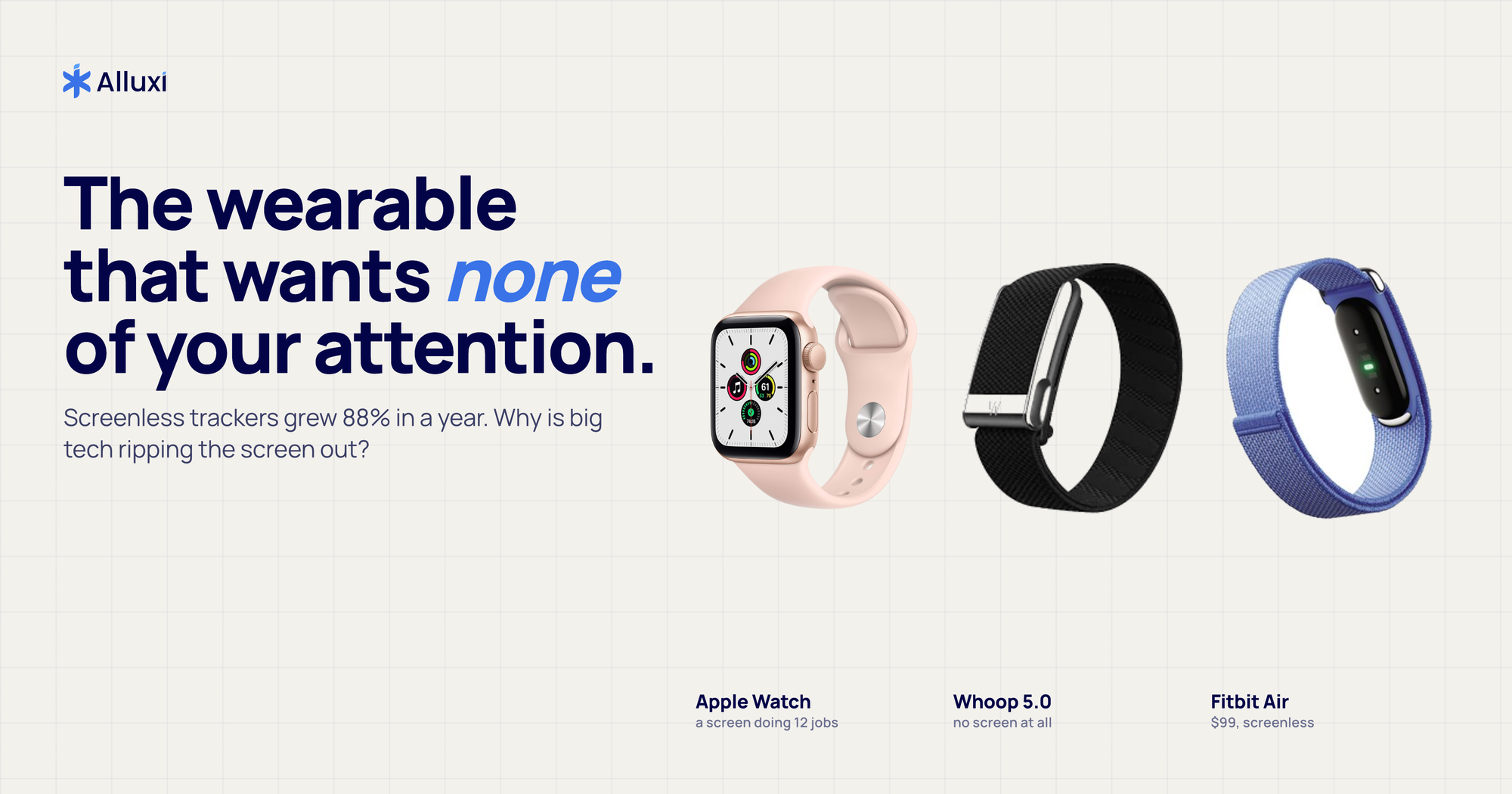
The wearable that wants none of your attention
Screenless fitness trackers have seen sales grow by 88% since 2024. Last month, Google joined in with the Fitbit Air: a $99 pebble, no screen, clipped into a fabric loop, made to be worn 24/7 and forgotten about. Ten years ago, the whole pitch was the screen. The face you tapped. The rings you closed. That little dopamine buzz at 10,000 steps. Now, the biggest device brands on the market have ripped out the one thing that made a wearable a wearable.
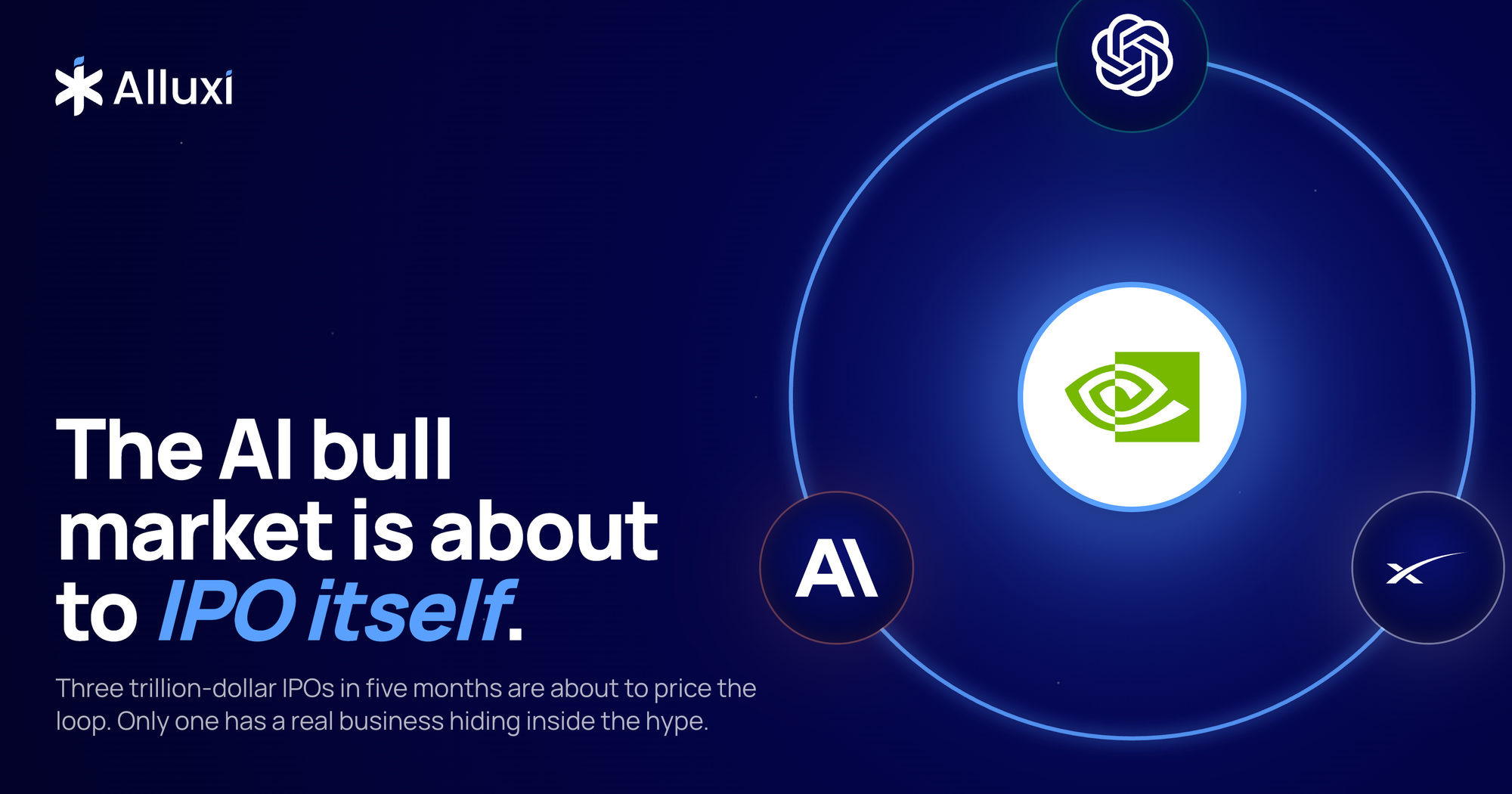
The AI bull market is about to IPO itself
Saudi Aramco's IPO held the record for the biggest in history for six years. SpaceX broke it on May 20, filing for nearly three times the size. Two days later, OpenAI filed its confidential S-1. Anthropic is right behind, closing a $50 billion bridge round this week ahead of an October listing already booked at Goldman. Three companies. Five months. More new public equity than the entire 2024 IPO market combined.
The forward-deployed engineer is the most honest product the AI labs have shipped
For two years, the pitch has been that AI models would absorb the messy middle of software work. The premise is simple: you describe the outcome, the system produces it, and the layer of people who translate business problems into working software gets thin. The agency, the systems integrator, the internal platform team, all of that was supposed to compress. Two weeks ago, Anthropic and three Wall Street firms put around $1.5 billion behind doing exactly that work by hand.

Your IDE is the new HIPAA risk.
Most healthtech compliance reviews look at the database, the API, the cloud BAAs. The IDE rarely gets opened. That's where I keep finding leaks. I run a software agency that builds in regulated industries. After 10 years of this work, I keep finding myself in the same conversation. A founder shows me their healthtech app, already in production with patient data flowing through it. Their team uses Cursor or Copilot. They've never thought about what those tools do with the codebase they see.

FHIR integration for healthtech founders: a non-academic guide
What FHIR is in practice (not in theory), which versions to support, the integration patterns that work for early-stage healthtech, and where the real cost lives. Written for founders who need to ship, not for HL7 standards committees.

The software development lifecycle in 2026: a practical walkthrough
How the software development lifecycle actually works in 2026, with real tooling, AI-augmented stages, and the realistic timelines for each phase. Updated for the way modern teams actually ship software, not the textbook version.

Business process automation in 2026: six real examples and what they cost
Six real BPA implementations in 2026 with costs, ROI timelines, technology choices, and the operational decisions that made them work. No theoretical frameworks; just what actually happened.
Let's scope your project this week
Book a free 30-minute technical consultation. We analyze your project, give you architecture recommendations, and a budget estimate. No commitment.